Solar Panels for Landlords, Rental Properties and HMOs
Solar panel installation for landlords, buy-to-let owners and HMO operators across the UK. Who gets the saving, what it costs, what the energy standards mean and how we install across a portfolio.
Solar Panels for Rented Homes
Landlords ask us the same things: does solar make a property easier to let, who gets the saving, what does it cost, and can it be done across several houses without upsetting tenants. Where the answer depends on the property, we say so and confirm it at the survey.
Integral Solar is a family-run installer with 25+ years' experience, MCS certified and NICEIC approved, with 1,000+ customers and 98% customer satisfaction. Every job is done by our own directly employed engineers, never subcontractors, and we operate across the UK. Every property, from a single buy-to-let flat to a row of new builds, gets a free, no-obligation survey and the same solar panel installation standard as our solar panels for homes.
Why Landlords Are Adding Solar
Easier to Let
A home with lower electricity bills stands out in a listing, and tenants who are paying less tend to stay longer. Fewer voids are worth more to most landlords than any single saving. Solar is a visible, easy-to-explain upgrade at every viewing.
Lower Running Costs for Tenants
A typical UK system generates around 850 to 950 kWh per kWp a year, so a 4kW array produces roughly 3,400 to 3,800 kWh. In a home where people are in during the day, that typically cuts electricity bills by 50 to 70%.
Energy Standards
Minimum energy efficiency standards for rented homes exist and are expected to tighten. Solar is one of the improvements that can lift a property's EPC rating, and the effect depends on the property. We can advise on the current position and where solar fits.
Protecting the Asset
A solar system is a long-term addition to the building, with panel and inverter warranties, certification and monitoring you can check from anywhere. Installed and maintained properly, it keeps the property competitive as tenant expectations shift, and comes fully documented for a future sale.
How the Benefits Split
How It Works for Rented Homes
The landlord pays for the system and the tenant pays the electricity bill, so in a single let the tenant usually gets the saving. The landlord's value comes back as a more lettable property, longer tenancies and a stronger EPC position.
Smart Export Guarantee (SEG) payments are made under an agreement with an electricity supplier, and MCS certification makes the system eligible. Who receives them depends on how the supply is set up and whose name is on the agreement, so we talk that through property by property.
HMOs and Shared Houses
An HMO suits solar well. Several occupants mean higher daytime electricity use, because someone is usually home, so more of what the roof generates is used on site rather than exported, which is where solar saves most.
Where the landlord pays the bills or includes them in the rent, the return is simpler: the saving lands with whoever paid for the panels. Solar battery storage can hold the afternoon peak for evening cooking and showers, or for EV charging where there is off-street parking.
Portfolio Installs, Step by Step
A typical domestic system costs £6,000 to £9,000 per property before battery storage, and 0% VAT currently applies to solar installed on residential property; we confirm the VAT position at quote stage. From you we need access, tenant notice and an honest picture of the roof and consumer unit.
Survey Programme
One free survey programme across every address, booked around access and tenant notice. We check roof condition, orientation, shading and the consumer unit, and tell you where solar does not stack up.
Design and Quote per Property
An itemised quote for each property with a realistic generation estimate, using consistent panels, inverters and monitoring so warranties and spares are the same everywhere. You decide property by property.
Installation Around Tenancies
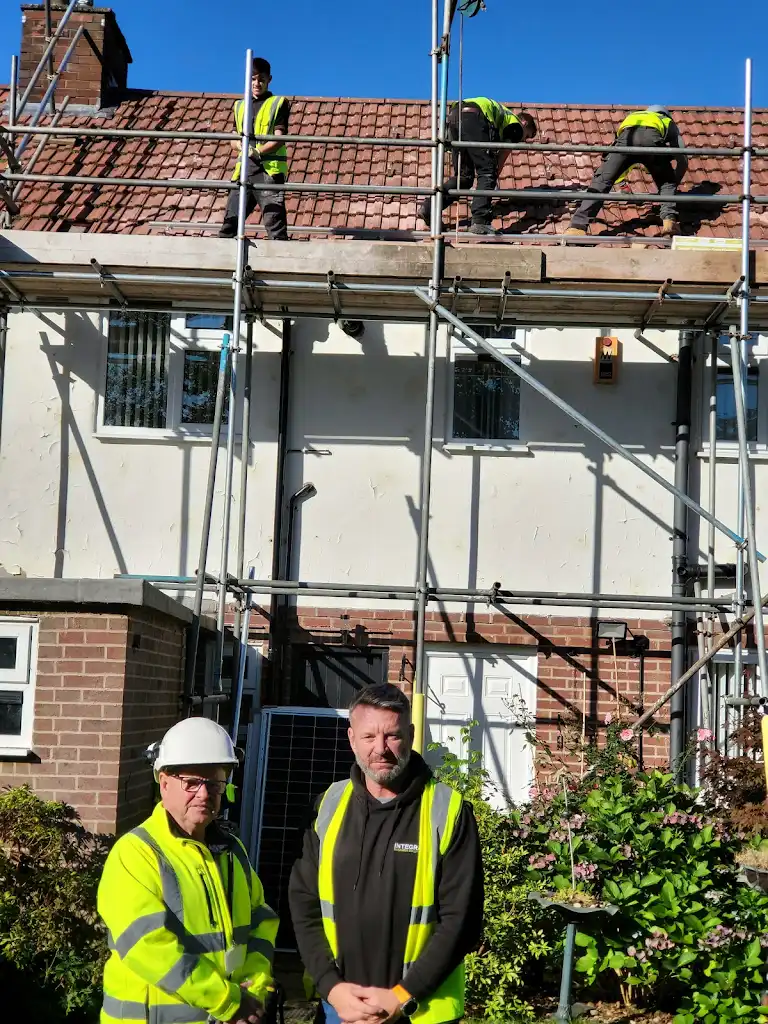
Our own engineers install to a schedule agreed with you and your tenants, or between tenancies where that is easier. One point of contact from survey to switch-on.
Certificates and Aftercare
We handle DNO notification and issue the MCS certificate and warranties for each address, filed as one pack for the portfolio. Our servicing and maintenance team then covers every system.
Landlord Solar Questions, Answered
What landlords and HMO operators ask us. For larger schemes, see solar for property developments.
Who gets the savings, the landlord or the tenant?
In a single let where the tenant pays the electricity bill, the tenant gets the bill saving. The landlord's return is a property that is easier to let, longer tenancies and a stronger EPC position. Where bills are included in the rent, the saving comes back to you. Export payments depend on how the supply is set up.
Can solar improve a rental property's EPC rating?
Solar can improve an EPC rating, and how much depends on the property: its current rating, insulation, heating and how large an array the roof will take. Minimum energy standards for rented homes exist and are expected to tighten. We can advise on the current position and whether solar is the right route for a given property.
Is solar worth it on an HMO?
Often, yes. With several occupants someone is usually home, so more of what the roof generates is used on site, which is where solar saves most. If you pay the bills or include them in the rent, the saving lands with you, and a battery can hold the afternoon surplus for the evening.
Do I need my tenants' permission?
In most cases you need access rather than permission. Your tenancy agreement will set out the notice you must give, so give proper written notice for the survey and the installation. Most domestic installations take one to two days, with the power off for a short period. We can also work between tenancies.
Can you install across a whole portfolio?
Yes. We run one survey programme across every address, quote each property separately, and install to a schedule agreed around tenancies and access. You get consistent equipment, one point of contact and a single pack of certificates and warranties covering every property. Our servicing team then looks after the whole portfolio.
Do I need planning permission or the freeholder's consent?
Roof-mounted solar on a house is usually permitted development. The exceptions are listed buildings, which always need consent, and some conservation-area properties, where there can be restrictions. A leasehold flat is different: the roof usually belongs to the freeholder, so you need their written consent before anything is fitted. We check this at the survey.