Solar Panels for Industrial Units and Factories
Rooftop solar for single industrial units, multi-unit estates and factory buildings across the UK, designed around your roof, your supply and the hours you actually run.
Built for Industrial Estates and Factory Roofs
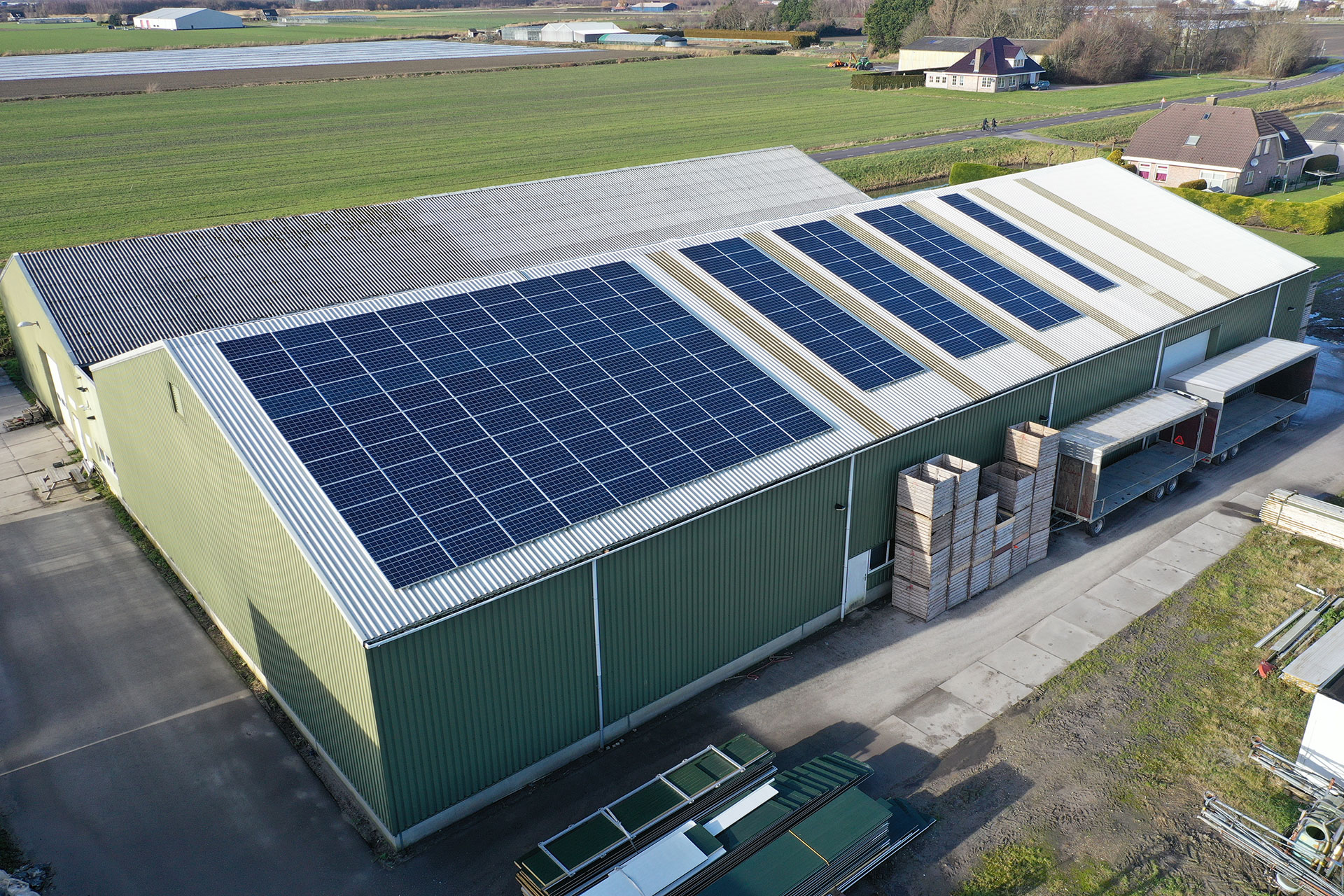
Industrial buildings are usually a good fit for solar for a simple reason: the roof is large and the electricity is used during the day. Machinery, compressors, extraction and lighting draw power while the sun is up, so most of what the panels generate is used on site, and that is where the saving comes from. Integral Solar has been installing for 25+ years and works across the UK, from a single unit on an estate to a factory with several buildings. Every job is carried out by our own directly employed engineers, never subcontractors.
Industrial roofs vary more than most. Newer steel-clad and composite-panel roofs are usually straightforward. Older portal-frame buildings, and anything with a cement-fibre or asbestos-containing covering, need a closer look before we can say what is possible, and we say so at the survey rather than after a quote has gone out. If your building is a distribution shed, our warehouse solar page covers that in more detail, and for production-line energy analysis see solar for manufacturing.
Why Industrial Roofs Suit Solar
Four things most industrial buildings have in common.
Roof Area
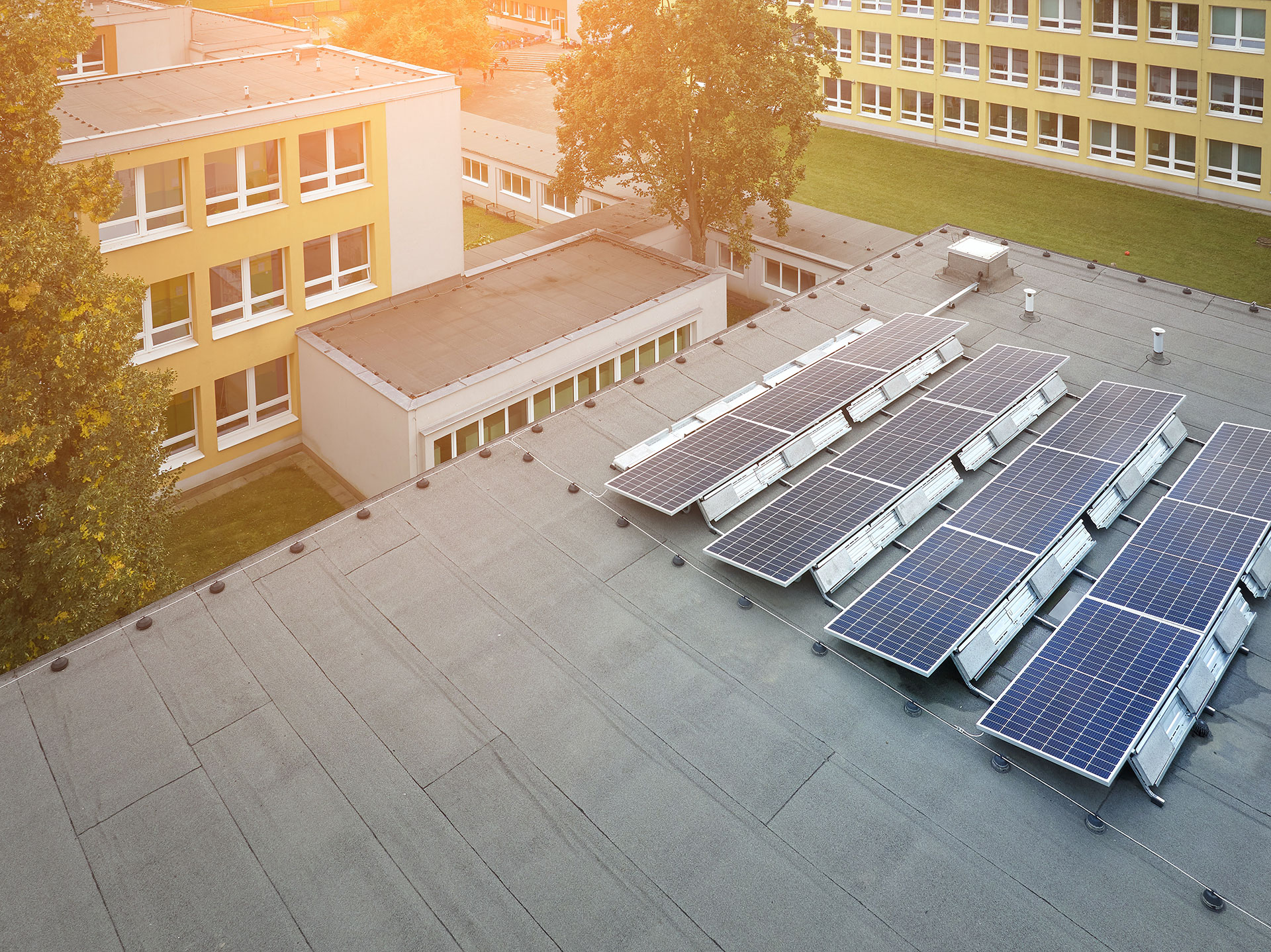
Industrial units typically have large, shallow-pitched roofs with little shading. That usually means room for a sizeable array, provided the structure and the covering are up to carrying it. We confirm both before we design anything.
Daytime Demand
Most industrial sites use the bulk of their electricity during the working day. Solar generates across the same hours, so self-consumption is usually high. On-site generation reduces the electricity you buy from the grid and can support your carbon reporting and sustainability commitments.
Three-Phase Supplies
Industrial units are usually on a three-phase supply, which suits a commercial inverter arrangement and lets the system be sized to the load rather than squeezed into a single-phase limit. We size against your bills, half-hourly data where it is available, and your shift pattern.
Battery Storage
Where a site runs a late shift, works overnight or has a heavy evening load, commercial battery storage can hold the daytime surplus for later. Batteries also suit sites adding EV charging or electric forklift charging, where the load lands outside the sunniest hours. Surplus that is not stored may earn export payments where the system is eligible; we advise on that for each site.
Roof Condition Comes Before Everything Else
Older Buildings and Roof Condition
Many industrial estates were built decades ago and the roof is often the original. Portal-frame buildings with cement-fibre sheets, roofs containing asbestos, and buildings with fragile roof lights all need careful assessment. Some roofs are fine as they are. Some need remedial work, a different mounting approach, or an over-clad or replacement roof before panels can go on. Occasionally the honest answer is that solar does not stack up on that building yet.
We will tell you which of those applies at the survey. Where a roof contains asbestos we advise on the options; we do not remove asbestos ourselves, and we do not fix panels to a roof that has not been confirmed as safe to work on and able to take the load.
What We Check at the Site Survey
- Roof material, age and condition, including any asbestos-containing or fragile areas and how they would be managed
- Structural capacity of the purlins and frame to carry the array, with a structural check where there is any doubt
- Orientation, pitch, roof lights, rooftop plant and any shading from neighbouring units
- Your electricity supply: phase, capacity, metering and where the inverters and any battery would sit
- How and when the site uses power, from bills, half-hourly data if you have it and your shift pattern
- Access, working-at-height arrangements and how the installation can be phased around operations
How an Industrial Project Runs
We are MCS certified, NICEIC approved, CHAS accredited and TrustMark registered, and the same in-house team designs, installs, commissions and maintains the system. Nothing is passed to a third party.
Site Survey and Roof Check
A free, no-obligation site survey. We inspect the roof where it is safe to do so, check the structure and covering, look at your supply and talk through how the site is used. If there is remedial roof work to do first, you will hear it here.
Design and Itemised Quote
We design the array, inverter arrangement and any battery around the roof and the load, then send an itemised quote with a realistic generation estimate. We also check the planning position: most commercial rooftop solar is permitted development subject to conditions, but some buildings need an application.
Installation and Grid Connection
Our engineers carry out the installation, phased around deliveries, shifts and any areas of the roof that need isolating. We handle the DNO notification and, where required, the G99 or G98 grid connection application.
Commissioning and Aftercare
On completion you receive MCS certificates, warranties and commissioning documentation, plus access to monitoring. Commercial maintenance and servicing comes from the same team, so the people who fitted the system are the ones who look after it.

Industrial Solar Questions, Answered
What owners, tenants and facilities managers ask us. For other sectors, see solar for businesses.
Can you put solar panels on an older industrial roof?
Often, yes, but it depends on the roof. An older portal-frame building can carry an array if the frame and purlins have the capacity and the covering is sound. We check both at the survey and arrange a structural assessment where there is any doubt. Some older roofs need remedial work or a different mounting approach first, and we will say so before we quote.
What about asbestos or fragile roofs?
We survey them first and we are straight with you about what we find. We do not fix panels to an asbestos-containing or fragile roof as it stands. In those cases we advise on the options, which may include remedial work, over-cladding or a replacement roof before solar goes on. We do not remove asbestos ourselves.
How much does industrial solar cost?
It depends on the roof, the electricity supply and how much power the site uses, so we do not quote from a desk. After a free site survey you receive an itemised quote for your building. VAT on commercial installations is charged at the standard rate, and solar equipment may qualify for capital allowances, which you should confirm with your accountant.
Do we need a battery?
Not always. If the site uses most of its electricity during the day, the panels alone may cover the bulk of it and a battery adds less. Where there is a late or night shift, overnight loads, or forklift and EV charging after hours, a battery lets you use the daytime surplus later. We model it both ways and let the numbers decide.
Can a landlord fit solar on a multi-tenant industrial estate?
Yes. Landlords and estate owners do fit solar across multi-let units. The main questions are how the generation is allocated and metered between the tenants and the landlord supply. There is more than one way to set this up, so we discuss it per site at the survey and design the metering to suit. For new-build estates, see solar for property developments.
How long does an industrial installation take?
It depends on the size of the array, the roof and what has to happen around it. We phase the work around deliveries, shifts and operations so the site keeps running, and we agree the programme with you before work starts. The survey and design stage is where we set out a realistic timeline for your building.